



- Where
- Open worldwide
- Categories
- Professional and Student
- Format
- Solo or teams of up to 5
- Registration closes
- 6 Dec 2026
- Winners
- 23 Dec 2026
01 / The brief
One place Three generations
INHERIT → ALTER → PASS ON
Choose 50 × 50 metres of the world. Take an existing building, structure or site and imagine how it could be transformed for a new generation. The goal isn't a spectacular final image, but architectural thinking: experimentation, iteration and decision-making.
AI is part of the design process, not a replacement for it
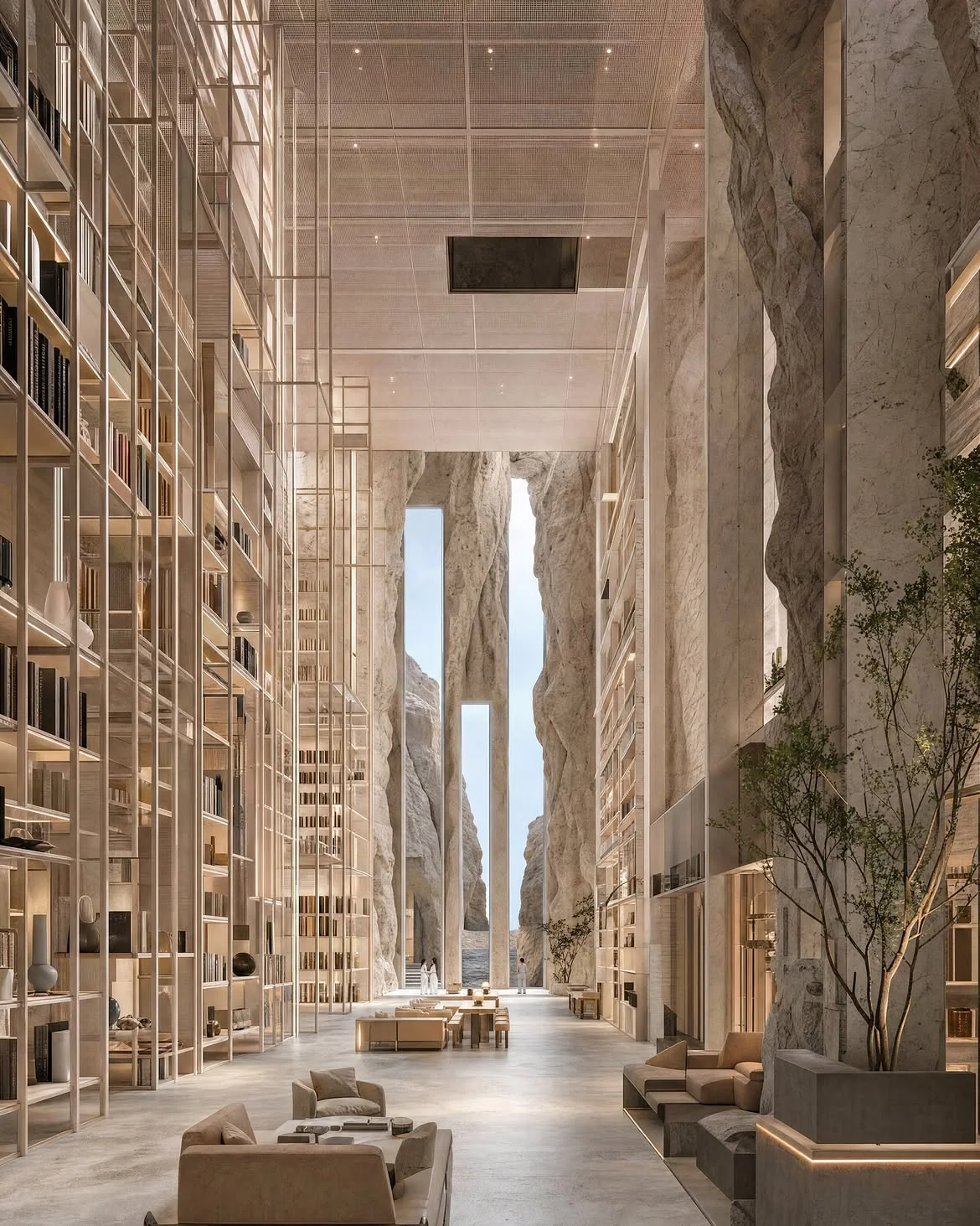
Architecture is never finished by one generation. It is inherited, altered and passed on.
-
2030
Inherit
Read what exists: what to preserve, what to question, and what can shape new architecture
-
2055
Alter
Transform it for the present. Explore alternatives, and stay the author of the choice between them
-
2080
Pass on
Design something capable of changing again, in 10, 25 or 50 years
How to develop your proposal
The process is the project
There is no prescribed design path. There is a shared design and AI environment. Participants use FORMAS.AI, Cartesian by FORMAS and OpenAI to explore, develop and communicate their proposals. How each team thinks, experiments and moves through the process is their own.
Bring anything
Start from the work you already have. Any of these can go into your process:
Work through FORMAS
- FORMAS is the competition's shared design workspace.
- Explore, develop and communicate your proposal there.
- Your process is part of the submission, not only the final result.
- Bring anything
- Work through FORMAS
- FORMAS is the competition's shared design workspace, connecting exploration, development and communication. The process, not only the final outcome, forms part of the submission.
Twenty turns One coherent system
Actual FORMAS design run (example)
São Paulo infill, source to material proof. Every branch stays on the board, so the judges read the reasoning and not only the render.
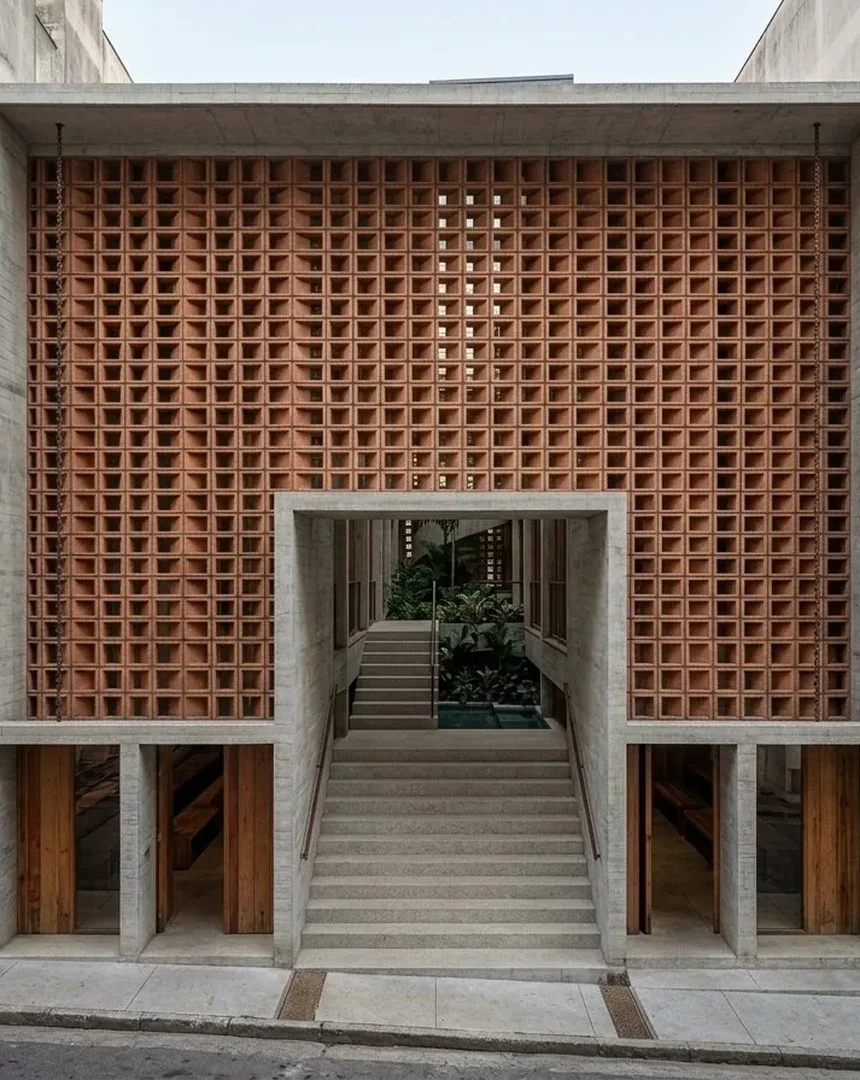
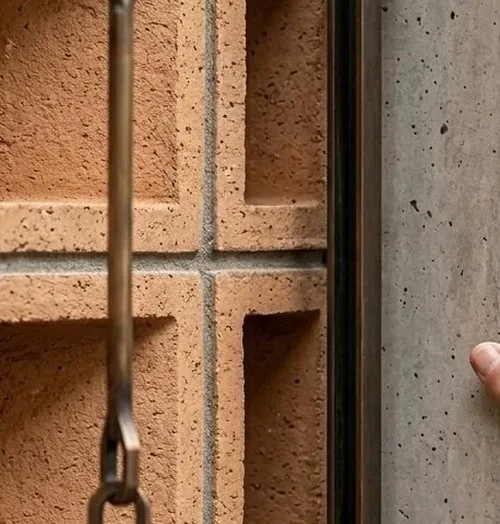
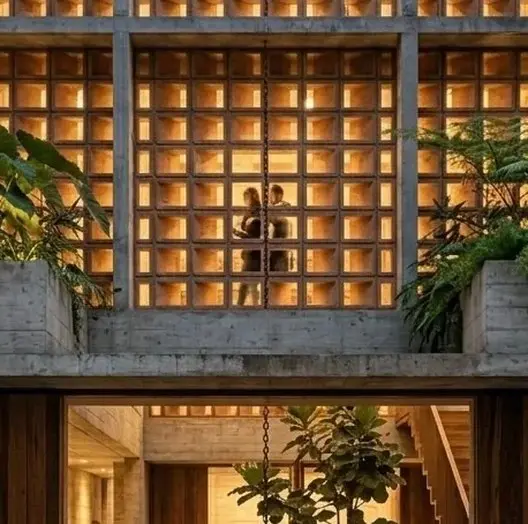
Representative process imagery made with FORMAS
02 / Entry
Open worldwide Student or Professional
Entries may be submitted individually or in teams of up to five, in both the Student and Professional categories. All participants, including individual entrants, must be registered as part of their entry.
Global
Worldwide
18+
Eligibility
1–5
Team size
2
Entry categories
Two categories, judged separately
-
Professional
Architects, designers, studios, researchers and other professionals working across architecture, design and the built environment.
-
Student
Students currently enrolled in architecture, design, urbanism, landscape architecture and related disciplines.
What you submit
The final submission shows both the architecture and the process behind it.
You must submit
- 01 FORMAS AI's Board
- 02 Final architectural visualizations 3 to 5 images
- 03 A concise written narrative The story behind the project
- 04 A hero image for publication 4:5 vertical, 9:16 vertical and 16:9 horizontal
- 05 Short videos About 12 seconds each: 4:5 vertical, 9:16 vertical and 16:9 horizontal
Optional
Increases the chance of winning- 3D and spatial representation With Cartesian 3D representation
- Concept and diagrams
- Sketches
- 3D models
- Key iterations and alternative directions
- Architectural plans
- Relevant sections and elevations
Exact dimensions, file formats, number of boards, word limits and upload requirements will be confirmed in the final competition brief.
FORMAS.AI, Cartesian by FORMAS and OpenAI form the shared design and AI environment for the competition. Bring your existing work and tools with you, then use this environment to explore, develop and communicate your proposal.
-
01 Bring anything
-
02 Work through FORMAS
-
03 Present the process
03 / PRICING
Registration fees
-
Early bird
Best price$10
$10 per member, 1 seat
25 Sep to
20 Oct27 Oct Extended -
Regular
$15
$15 per member, 1 seat
28 Oct to 15 Nov
-
Late
$20
$20 per member, 1 seat
16 Nov to 6 Dec
Prices are in USD, per member, and non-refundable. Each registration covers one project, submitted individually or by a team of up to five. The team lead must name all members during registration. The first 500 registered projects across the Student and Professional categories receive 3,500 complimentary FORMAS.AI credits per project, allocated to the registered lead, not to each team member.
04 / Awards
Recognition for the work, access for what comes next
Over $120,000 in prizes and participant benefits, combining OpenAI sponsorship, FORMAS.AI access and prizes, cash awards, and PAACADEMY Pro memberships. Selected projects will also receive international editorial exposure through Parametric Architecture.
$120K+
Total prize & benefit value
$75,000
OpenAI sponsorship
$34,500+
FORMAS.AI access
$5,000
Cash prize pool
Complimentary access
FORMAS.AI Complimentary Access*
-
First 500 entries
The first 500 registered projects each receive 3,500 FORMAS AI credits for use throughout the competition, allocated to the registered lead. Combine these with 40% off additional credits through 31 December 2026.
-
40% Off Additional FORMAS.AI Credits
Combine your complimentary FORMAS.AI credits with an exclusive 40% discount on additional credits to continue designing throughout the competition. Offer valid until December 31, 2026.
-
Students
Individual access through the FORMAS Campus Programme, currently USD 19.90 a month, subject to institution verification. Alumni emails do not qualify.
*Available to the first 500 entry registrations across the Student and Professional categories combined, solo entries included. One allocation per project, not per member.
Professional
3 prizes / 7 recognized
-
1st place
$22,515
- FORMAS cash prize
- $1,500
- OpenAI credits
- $18,000
- FORMAS PRO
- Up to 5 x 3 months
- ChatGPT
- 3 x 6 months
- PAACADEMY Pro
- $60 per member
-
2nd place
$18,015
- FORMAS cash prize
- $1,000
- OpenAI credits
- $14,000
- FORMAS PRO
- Up to 5 x 3 months
- ChatGPT
- 3 x 6 months
- PAACADEMY Pro
- $60 per member
-
3rd place
$12,730
- FORMAS cash prize
- $750
- OpenAI credits
- $10,000
- ChatGPT
- 3 x 6 months
- PAACADEMY Pro
- $60 per member
-
Recognized, 4th to 10th
$8,400
- ChatGPT
- 2 x 6 months each
Student
3 prizes / 7 recognized
-
1st place
$4,015
- FORMAS cash prize
- $1,000
- FORMAS PRO
- Up to 5 x 3 months
- ChatGPT
- 3 x 6 months
- PAACADEMY Pro
- $60 per member
-
2nd place
$3,515
- FORMAS cash prize
- $500
- FORMAS PRO
- Up to 5 x 3 months
- ChatGPT
- 3 x 6 months
- PAACADEMY Pro
- $60 per member
-
3rd place
$2,230
- FORMAS cash prize
- $250
- ChatGPT
- 3 x 6 months
- PAACADEMY Pro
- $60 per member
-
Recognized, 4th to 10th
$8,400
- ChatGPT
- 2 x 6 months each
Also awarded
$5,400
Nine awards across two groups, each with one six-month ChatGPT seat: six Honorable Mentions and three Most Popular Choice Awards.
Honorable Mentions × 6
Six additional projects, three from each category, will receive an Honorable Mention.
Most Popular Choice Awards × 3
Three projects will receive the Most Popular Choice Award, based on public engagement throughout the competition. Share your design process and project consistently, not only after submission, for a chance to be recognized even if you don’t place in the main awards.
Tag FORMAS.AI, PAACADEMY, OpenAI, and Parametric Architecture and use #CartesianForms #FORMAS #PAACADEMY. Selected work may be featured across the competition page, social media, and newsletters.
Three projects win it on public engagement throughout the competition.
- Share your process as you go, not only after you submit.
- You can win it even without placing in the main awards.
- Tag FORMAS.AI, PAACADEMY, OpenAI and Parametric Architecture.
- Use #CartesianForms #FORMAS #PAACADEMY.
- Selected work may be featured on the page, social media and newsletters.
05 / Timeline
From launch to winners in twelve weeks
From registration to the workshop, submission and the winners' announcement. All deadlines are in UTC.
Early bird pricing ends in
27 October, 23:59 UTC
-
25 September 2026
Competition launch
Launch
-
25 Sep to
20 Oct27 Oct ExtendedEarly-bird registration
Registration
-
28 Oct to 15 Nov
Regular registration
Registration
-
15 November
5-hour FORMAS workshop
Workshop
-
16 Nov to 6 Dec
Late registration
Registration
-
6 December, 23:59 UTC
Registration closes
Registration
-
13 December, 23:59 UTC
Final submission deadline
Submission
-
13 to 15 December
PA and FORMAS eligibility and initial review
Judging
-
16 to 19 December
Jury review
Judging
-
20 to 21 December
Jury comments and final scoring
Judging
-
22 December
Final verification
Judging
-
23 December 2026
Winners announced
Results
06 / FORMAS workshop
Learn it. Use it. Show it.
A five-hour FORMAS workshop on 15 November, and an equivalent recorded pathway.
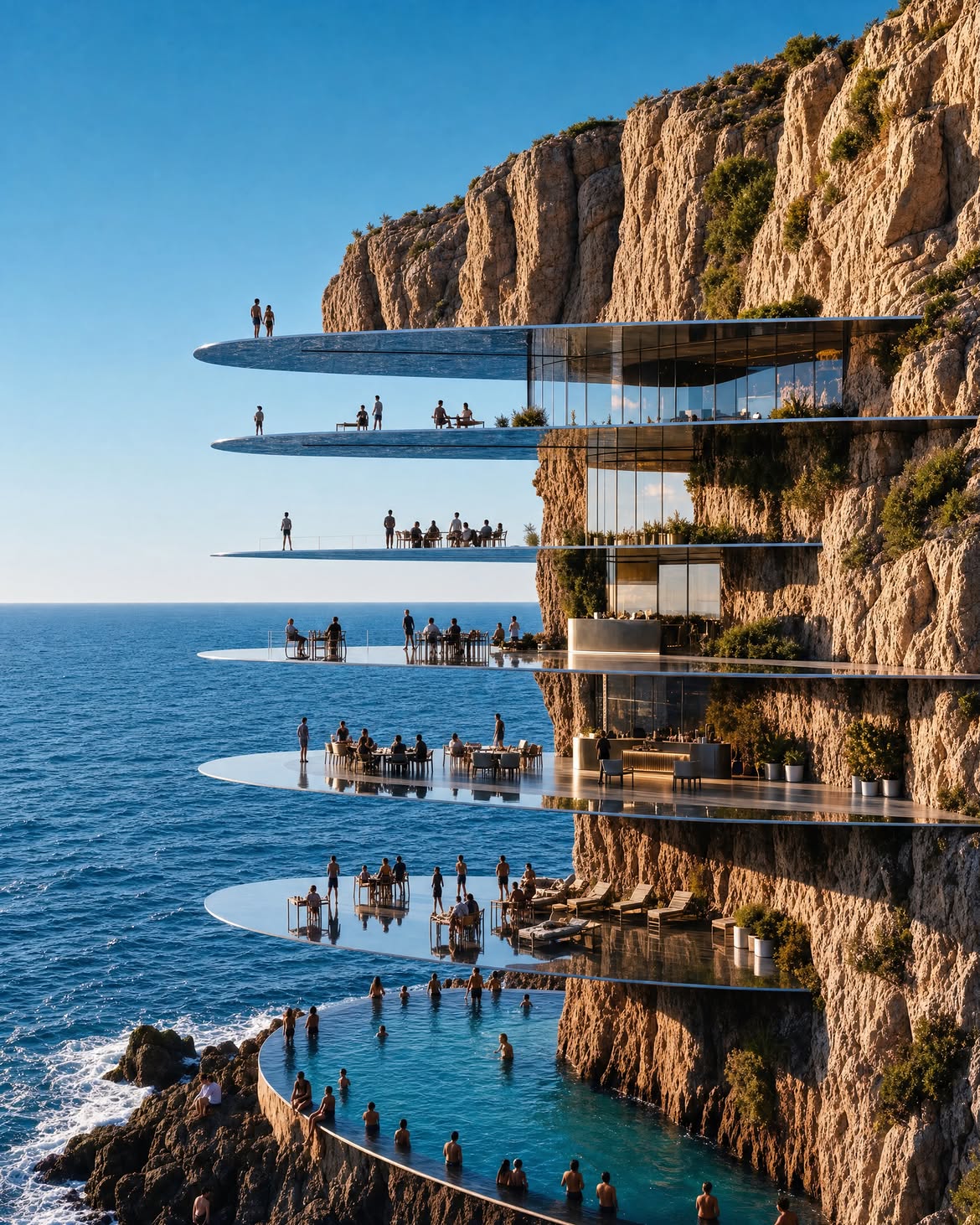
Workshop programme & recording access
What you’ll explore
- The competition brief and design question
- Ideas, references and visual exploration
- Iteration and visualization in FORMAS
- Editable 3D with Cartesian
- Hands-on proposal development
Bring a site or existing building, plus sketches, photographs, drawings or models to work from.
- Project review and Q&A
07 / Jury and criteria
Design quality leads Process makes it credible
Overall score
- 100% Jury assessment
Within the jury assessment
- 30% Architectural and spatial intelligence
- 25% Design process and AI workflow
- 20% Continuity and transformation
- 15% Communication and narrative
- 10% Context and design rigour
Within the jury assessment
- Architectural and spatial intelligence 30%
- Design process and AI workflow 25%
- Continuity and transformation 20%
- Communication and narrative 15%
- Context and design rigour 10%
Professional Jury
Student Jury
08 / Partners
Proudly supported by

09 / Questions
Before you register
Your submission should show both your final design and the process behind it.
Required
- A FORMAS AI board documenting your design process.
- Three to five final architectural visualizations.
- A concise written narrative explaining your project.
- A hero image for publication in three formats: 4:5 portrait, 9:16 portrait and 16:9 landscape.
- Short videos, approximately 12 seconds each, in 4:5 portrait, 9:16 portrait and 16:9 landscape formats.
Optional supporting material
You may also include Cartesian 3D and spatial representations, concept diagrams, sketches, 3D models, key iterations and alternative design directions, architectural plans, sections and elevations to help communicate your proposal.